In Luxembourg, household needs evolve with family growth, the development of remote work, and the adaptation of housing to aging. Many homeowners wish to gain space without having to move.
In a context marked by a scarcity of land and high real estate prices, home extension represents an attractive solution. It allows for adapting a home to the new uses of its occupants while enhancing the existing property. For renovation sector entrepreneurs, these technical and multidisciplinary projects also represent a market with strong potential.
A solution suited to the Luxembourg market
When a homeowner appreciates their environment, expanding their home can be more relevant than searching for a new property. An extension allows for creating a bedroom, an office, a master suite, or a more spacious living area, without disrupting the household's habits.
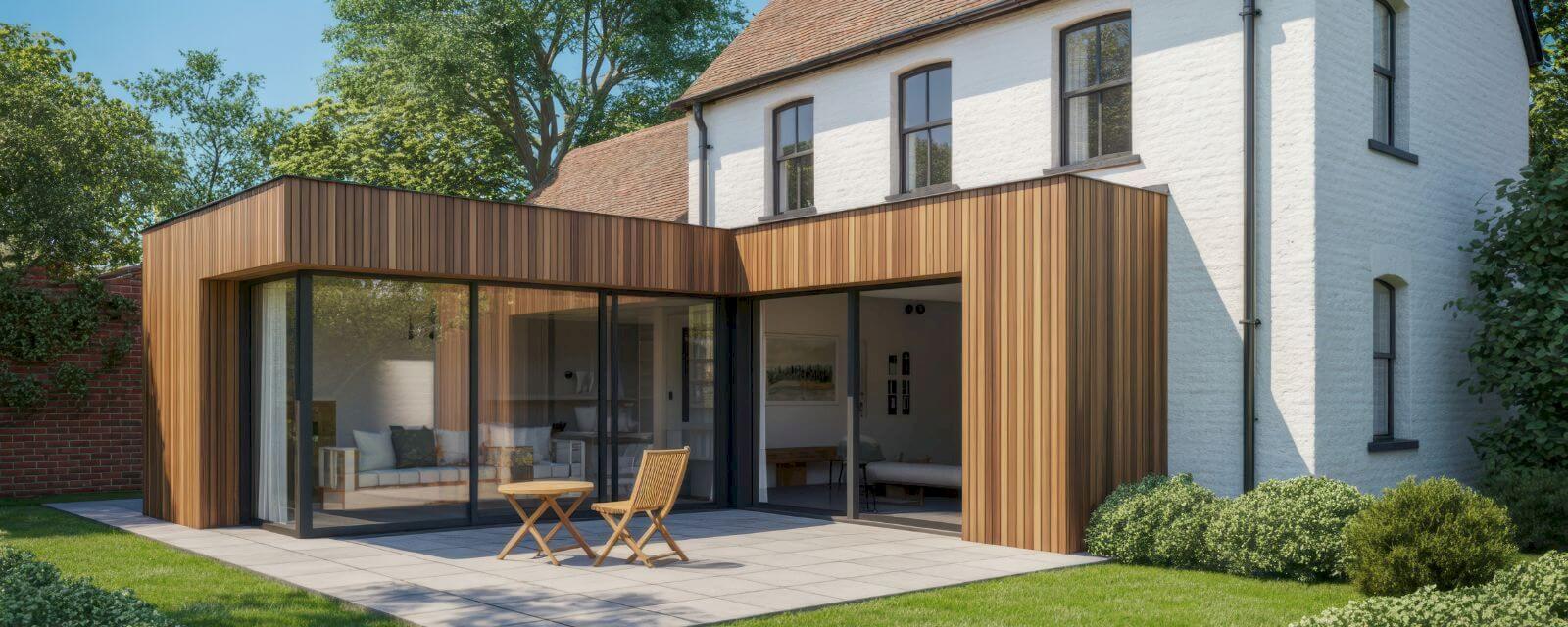
Several solutions can be considered depending on the configuration of the building and the land: lateral extension, storey addition, habitable veranda, or restructuring accompanied by an enlargement. Each project must be studied according to the client's needs, the existing structure, and the constraints of the plot.
A project subject to urban planning regulations
In Luxembourg, construction or transformation works generally require a building permit issued by the mayor. The project must comply with the general development plan, any specific development plan, and the municipal regulations on buildings.
The feasibility study and preparation of the file can therefore be complex for an individual. This administrative dimension reinforces the interest in consulting a professional capable of analyzing the project's constraints and guiding the client in their procedures.
High value-added projects
An extension is not just about creating additional square meters. When well-designed, it can improve circulation, brightness, and comfort throughout the house. When it harmoniously integrates with the existing architecture and meets current energy requirements, it also helps to enhance the property's value.
These projects involve many trades: masons, roofers, carpenters, electricians, plumbers, heating engineers, and painters. The various interventions must be organized in a precise order, taking into account prior studies and necessary adaptations in the existing housing.
This technicality makes the extension a project particularly suited to a general renovation company. The professional must understand the client's expectations, analyze the building, estimate the various lots, and coordinate the craftsmen. For a franchisee, offering comprehensive management thus represents a real competitive advantage.
A demand based on sustainable needs
Extension projects generally respond to concrete changes in the lives of homeowners: the birth of a child, the creation of a remote work space, the layout of a ground-floor bedroom, or the welcoming of a relative.
This request is therefore not based on a mere trend. It offers renovation entrepreneurs the opportunity to develop a business based on customized, high-value projects. Customer satisfaction can also encourage referrals, which are particularly important in a local market where trust and reputation play a crucial role.
The opportunity to improve energy performance
The creation of an extension often leads to a rethinking of the overall performance of the home. The connection between the new part and the existing structure must be carefully addressed to limit thermal bridges, air leaks, and humidity issues.
The construction site can thus include additional work: insulation of the roof or facade, replacement of windows, improvement of ventilation, or modernization of the heating system. Subject to current conditions, certain interventions carried out on the existing building may qualify for energy renovation assistance.
This comprehensive approach allows the franchisee to offer a coherent solution that goes beyond mere expansion.
Essential technical and organizational skills
Before preparing a quote, the professional must study the building, the plot, access points, and municipal regulations. The nature of the soil, the condition of the structure, and connection possibilities can influence the feasibility and cost of the work.
Managing the construction site is a major challenge. A delay in the structural work can disrupt the installation of joinery, technical installations, and finishing touches. Therefore, rigorous planning, regular monitoring, and transparent communication with the client are essential.
Avenir Rénovations: a model suited for extension projects
At Avenir Rénovations, the franchisee operates as a Works Manager. As the sole point of contact for the client, they support them from defining their needs to the delivery of the site: project study, cost estimation, selection of professionals, and coordination of work.
The network provides digital tools to facilitate cost estimation, planning, and project monitoring. It also offers training, proven methods, and support aimed at developing their commercial, technical, and organizational skills.
Thanks to Avenir Rénovations' all-trades positioning, the franchisee can take charge of the extension as well as the additional work carried out in the existing house. This comprehensive offer simplifies the client's journey and allows the professional to differentiate themselves through the quality of their support.
A home extension thus represents a true development lever in Luxembourg. It combines sustainable demand, high-value projects, and a significant need for coordination.
Do you want to venture into renovation in Luxembourg? Join Avenir Rénovations and rely on a structured concept to support individuals in their extension and overall renovation projects.