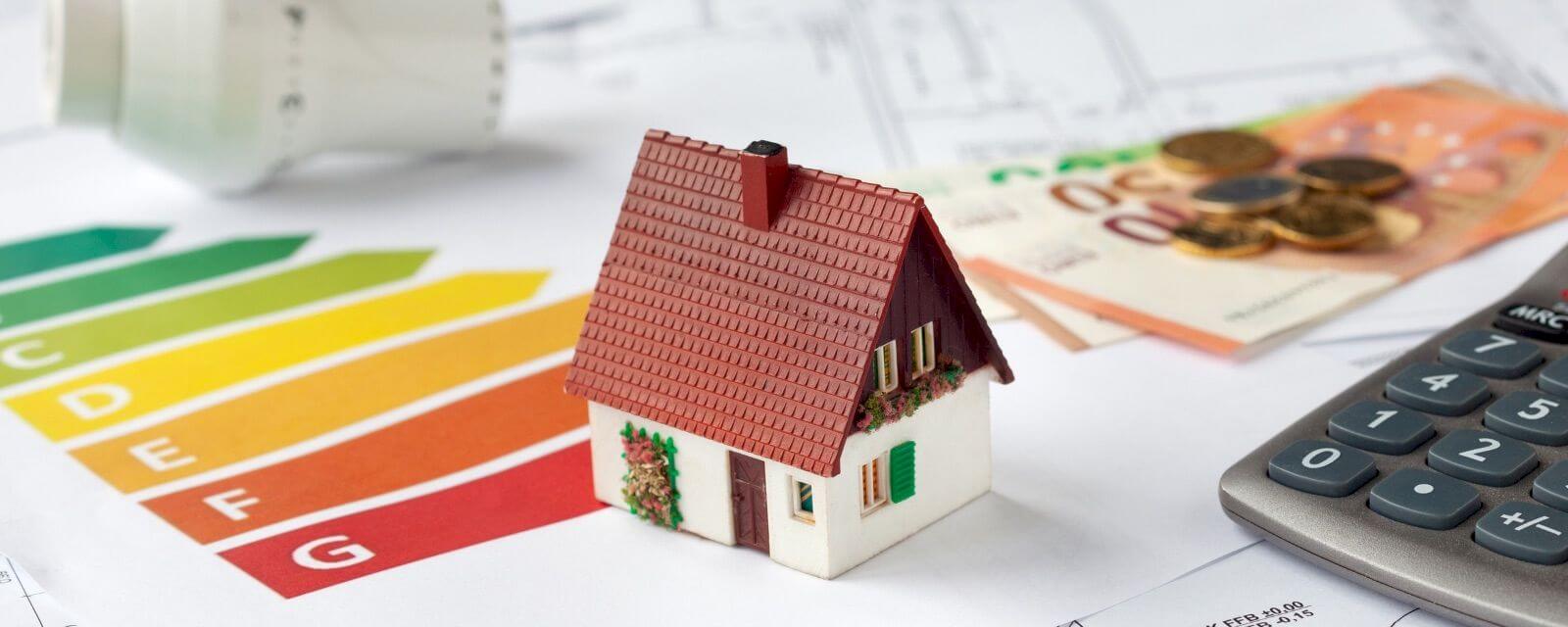
In Luxembourg, energy performance is increasingly important in real estate projects. Many homeowners want to better insulate their homes, replace old equipment, or use renewable energy, but the cost of the work can slow down their decision. Subsidies then serve as a useful commercial lever to turn an intention into a concrete project.
The Klimabonus scheme provides assistance for certain energy renovations and technical installations. These national supports can be supplemented by municipal aids. For a renovation professional, the challenge is to integrate these possibilities into their pitch without promising a specific amount or presenting the aid as guaranteed.
Overcoming budget constraints without reducing the project to a grant
During an initial meeting, the individual often seeks to know how much the work will actually cost them. They may have heard about Klimabonus without knowing the criteria, procedures, or timelines. This uncertainty fuels hesitation, even when the renovation meets an obvious need for comfort or energy savings.
The professional can reassure by explaining the main steps and presenting a structured estimate: cost of the work, potential aids, and remaining financing. This transparency allows the client to better envision the project.
However, subsidies should remain a means and not the starting point of the advice. The choice of work must stem from the condition of the building, heat loss, ventilation, heating, and the owner's objectives. A subsidized piece of equipment that is poorly sized does not constitute a good solution.
Integrating Klimabonus into the sales process
Klimabonus can support the energy renovation of residential buildings that meet the scheme's conditions. The work concerned can particularly focus on the thermal envelope and technical installations using renewable energies. The rules differ depending on the nature and scope of the project.
When a renovation involves several elements of the envelope, energy advice may be necessary. A simplified procedure may exist for an intervention limited to a single element, subject to applicable criteria. The professional must therefore quickly identify the project's category to avoid misdirection.
This step becomes a commercial argument when integrated into a clear method. The client understands who is involved, what documents need to be prepared, and when the procedures should be initiated. They are no longer alone facing a succession of administrative information.
Beyond the national scheme, some Luxembourg municipalities offer their own aids. Checking local possibilities allows for a more personalized response and strengthens the agency's local presence.
Presenting multiple renovation scenarios
A commercial offer is more effective when it allows for the comparison of several levels of intervention. The first scenario can address urgency, the second can combine several coherent works, and the third can aim for a more ambitious energy improvement.
For each option, the professional can specify the estimated budget, expected benefits, potential subsidies that could be mobilized, and the timeline. The individual then arbitrates based on concrete elements, without feeling that only one solution is imposed on them.
This approach also promotes consistent renovations. Improving insulation without examining ventilation, or replacing heating before reducing the building's needs, can limit results. The professional values their expertise by explaining the logical order of interventions.
Making caution a sign of seriousness
The conditions for aid may evolve and their allocation depends on the competent authorities. In 2026, official information regarding the new Klimabonus scheme should therefore be consulted before any commercial promise. A simulation or estimate is never equivalent to a grant decision.
The professional must also check eligibility dates, required performances, supporting documents, and any advisory obligations before starting the project. They can provide a detailed quote and the necessary technical sheets, but must not guarantee a subsidy.
This cautious discourse builds trust. In a sector where the client fears unexpected costs, clearly stating the limits of support is a sign of professionalism.
Finally, the aids can support useful communication: educational content, examples of achievements, or interventions with local partners. The franchisee positions themselves as an interlocutor capable of making renovation more understandable.
Avenir Rénovations: developing a structured offer in Luxembourg
At Avenir Rénovations, the franchisee operates as a Works Manager. They assess the need, estimate the project, select partner companies, and coordinate interventions until the project is completed.
Thanks to digital tools, methods, training, and network support, they can structure their commercial approach and present an offer covering all trades. Subsidies then find their rightful place: they facilitate decision-making, while the quality of advice and follow-up builds trust.
Do you want to start a renovation business in Luxembourg? Join Avenir Rénovations and develop your activity with a structured concept in a promising market.