In Luxembourg, energy improvement of housing is increasingly central to renovation projects. Roof insulation, window replacement, or heating modernization help reduce heat loss. However, as the building becomes more airtight, air renewal must also be managed.
Long considered a secondary issue, ventilation now meets several expectations of homeowners: preserving air quality, limiting humidity, improving comfort, and protecting the home against mold. For a renovation contractor, it thus becomes a real selling point and a way to enhance a comprehensive approach.
Starting from the problems faced by homeowners
A homeowner does not always spontaneously request ventilation. They are more likely to report condensation on windows, odors, a bathroom that dries poorly, or signs of humidity. These symptoms allow the professional to open the discussion about air renewal.
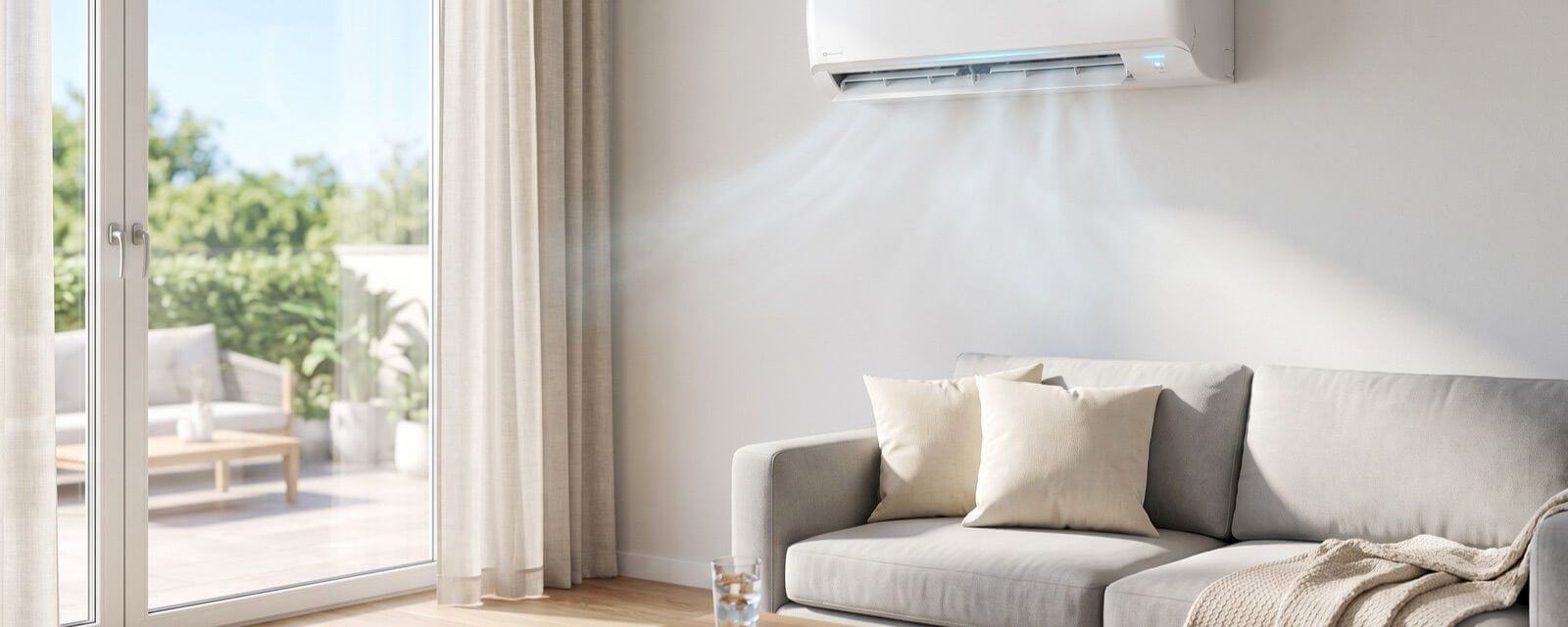
Education is essential. Controlled mechanical ventilation removes humid air from service rooms and brings fresh air into the home. When it recovers heat from the extracted air, it also helps reduce thermal losses. Depending on the installation, filters can capture some pollen and dust.
Presented this way, the benefits become immediately understandable. Ventilation is no longer seen as an additional expense, but as a solution that protects the work done and improves quality of life.
Combining insulation, airtightness, and air renewal
An energy renovation changes the functioning of the building. Old windows and airtightness defects sometimes allowed uncontrolled air passage. After the work, this circulation decreases. Without an appropriate solution, humidity produced by showers, cooking, drying laundry, and occupancy can accumulate.
The contractor must therefore integrate ventilation from the project study, alongside insulation and joinery. This anticipation allows for planning technical passages, vents, electrical supply, finishes, and access for maintenance.
Commercially, this approach is differentiating. It shows that the company does not simply add services but seeks to achieve a coherent result. It can also prevent subsequent claims related to condensation or mold.
Choosing a solution compatible with the existing
The configuration of the home determines the relevant solution. A centralized installation with heat recovery offers regular renewal and good energy efficiency, but it requires planning for the unit and ducts. In a renovation where space is limited, a decentralized solution or an extraction system may be simpler to integrate.
The professional must compare options based on several criteria: volume of the home, occupancy, level of airtightness, available space, noise, consumption, ease of maintenance, and budget. This analysis allows for proposing a proportionate installation rather than a standard piece of equipment.
The quality of the installation remains crucial. Poor sizing, poorly designed ducts, or incomplete adjustments can cause noise, excessive consumption, or insufficient renewal. Commissioning, balancing, and explaining the operation to the client must therefore be included in the service.
Make it a value-adding argument for the property
Ventilation can be presented as an investment that protects the building and complements its energy renovation. Klima-Agence emphasizes that good insulation combined with mechanical ventilation improves air quality, reduces the risk of mold, and contributes to the quality of the real estate asset.
To strengthen his argument, the contractor can present several scenarios: treatment of a damp room, a solution suitable for a partial renovation, or a system integrated into a comprehensive renovation. The client thus visualizes the differences in cost, comfort, and maintenance.
This method facilitates decision-making without turning ventilation into an anxiety-inducing argument. The goal is not to scare with the risk of mold, but to explain how to sustainably preserve the benefits of the work.
Master the Luxembourg energy framework
In Luxembourg, the technical characteristics of the building are taken into account in the energy performance certificate, or Energiepass, required in several situations, particularly during certain transformations, extensions, sales, or rentals. However, the applicable requirements depend on the nature of the project.
The professional must check the current regulations, any municipal procedures, and the conditions for assistance before the project begins. A ventilation installation or certain associated works may fall under a supported energy renovation, but no assistance should be presented as guaranteed without official validation.
This mastery of the regulatory pathway enhances trust and allows for better organization of the client's schedule.
Structure your development with Avenir Rénovations Luxembourg
At Avenir Rénovations, the franchisee operates as a Project Manager. He studies the need, estimates the project, selects partner companies, and coordinates the various trades until completion.
Ventilation naturally integrates into this all-trades model. It connects insulation, joinery, heating, electricity, and finishes into a coherent proposal. Digital tools, methods, training, and network support help the franchisee transform this technical subject into useful commercial advice.
Do you want to start a renovation business in Luxembourg? Join Avenir Rénovations and develop a structured activity around the new needs of property owners.